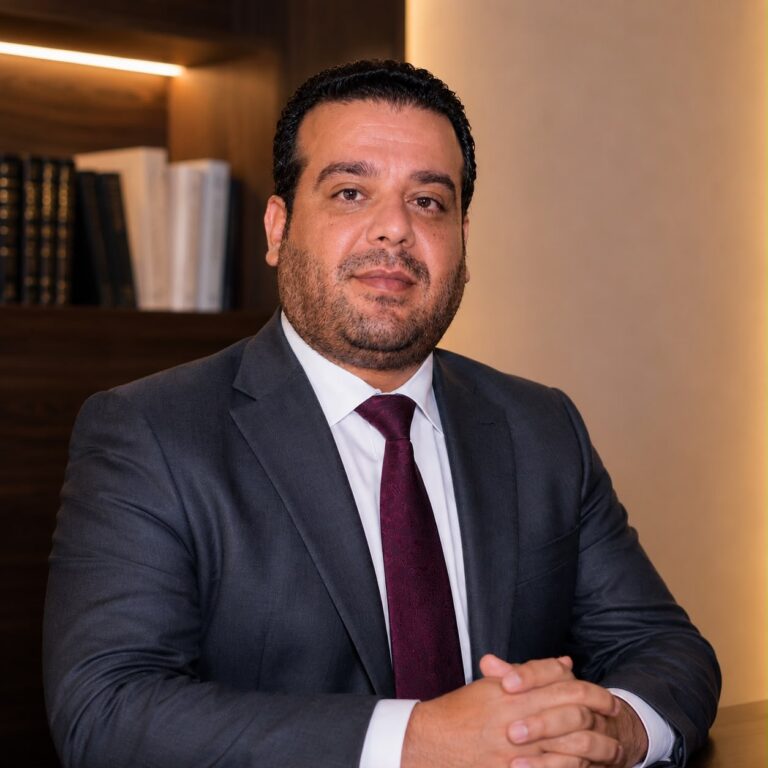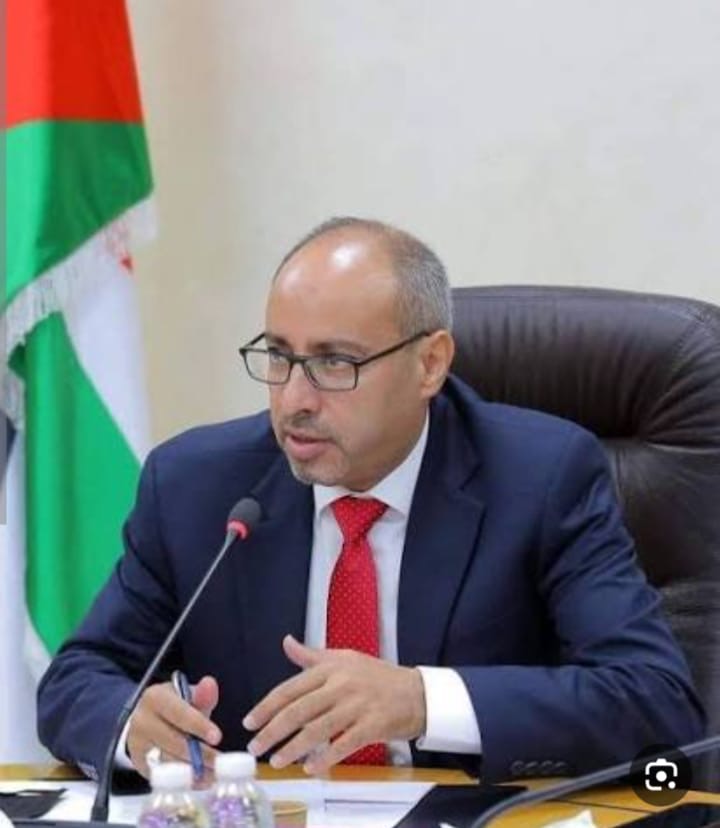

By Dr. Thamer Al-Abadi
Spokesperson for Human Rights for Youth – Jordan
962news_ Anyone closely observing the international and regional landscape today can recognize that what we are witnessing goes far beyond political conflicts, economic crises, or even traditional geopolitical rivalries. Rather, it appears that we are entering a historic transitional phase in which the entire global architecture of influence is being reshaped.
The rapid developments unfolding across different regions of the world, the transformation of long-standing alliances, and the rise of new powers alongside the decline of others all point to a fundamental shift toward a new model for managing interests, influence, and resources. The issue is no longer merely about changing governments or adjusting policies; it has evolved into a process of redefining roles and redistributing centers of influence according to a vision that aligns with emerging global realities.
A deeper reading of current events reveals that this transformation is not limited to political geography. It extends to the individuals, institutions, and mechanisms that managed the previous era. Many political, economic, and media elites that played pivotal roles over the past decades are now facing increasing challenges in adapting to the new environment, while new figures, platforms, and instruments are emerging to meet the demands of the next phase.
The very nature of power has changed. In the past, power was measured by the size of armies and control over natural resources. Today, knowledge, technology, artificial intelligence, data management, and the ability to shape global public opinion have become equally important components of influence. In some cases, these tools have proven capable of achieving strategic outcomes that surpass those once attained through traditional instruments of power.
In the Middle East, these transformations are particularly visible. A region that has long been a focal point of international and regional competition is now experiencing a gradual reconfiguration of power balances—not only among states but also among political, economic, and media actors. Issues that remained unresolved for decades are increasingly being approached through frameworks that differ significantly from those that shaped the region throughout the twentieth century.
What deserves attention is not merely the replacement of certain figures or the alteration of alliances. Rather, there are growing indications of a comprehensive restructuring of roles, tools, and methods. The emerging world order does not necessarily require the same instruments that governed the previous era. Instead, it seeks actors who are better equipped to navigate the realities of the digital age and the accelerating pace of economic and technological transformation.
In my view, one of the greatest mistakes political and media elites can make is attempting to interpret today’s events through yesterday’s mindset. The rules that governed the international system for decades are now being subjected to unprecedented tests, and many assumptions once considered permanent are being reassessed and redefined.
Nevertheless, any process of regional or global restructuring must remain centered on the human being as the ultimate purpose of political, economic, and developmental endeavors. Genuine progress should not be measured solely by the extent of influence or control, but by its impact on people’s lives, their rights, their dignity, and their opportunities for justice, participation, and prosperity.
Today, the world stands at a historic crossroads. We are witnessing the end of one phase and the beginning of another—an era in which priorities are being rewritten, centers of influence are being restructured, and models of governance, economics, and administration are being tested and reimagined. While the full picture may not become clear for years to come, one fact is already evident: the future will not resemble the past, and those who understand the nature of the transformation taking place today will be better prepared to face the challenges of tomorrow.
Therefore, the most important question is not who will lead the next phase, but rather what new rules will govern international and regional relations, and how states, societies, and young people can become active participants in shaping that future rather than merely receiving its consequences.
عن المؤلف